
Nutrition and Mental Health: The Link Between Food and Mood
We all know that food fuels our bodies, but did you know it also significantly impacts our mental well-being? The connection between nutrition and mental health is increasingly recognized, with research highlighting how our diet can influence everything from mood and energy levels to the risk of developing mental health conditions.
Just like a high-performance engine needs the right fuel, our brains require a consistent supply of nutrients to function optimally. Nutrient deficiencies can disrupt neurotransmitter production, the chemical messengers responsible for regulating mood, emotions, and cognition. For example, low levels of B vitamins, vitamin D, magnesium, and omega-3 fatty acids have been linked to increased risk of depression and anxiety.
Our gut health also plays a crucial role in mental well-being. The gut and brain are connected through a complex network of nerves and chemical signals, often referred to as the "gut-brain axis." A healthy gut microbiome, populated by diverse beneficial bacteria, is essential for producing neurotransmitters and regulating inflammation. A diet high in processed foods, sugar, and unhealthy fats can disrupt this delicate balance, potentially contributing to mood disorders.
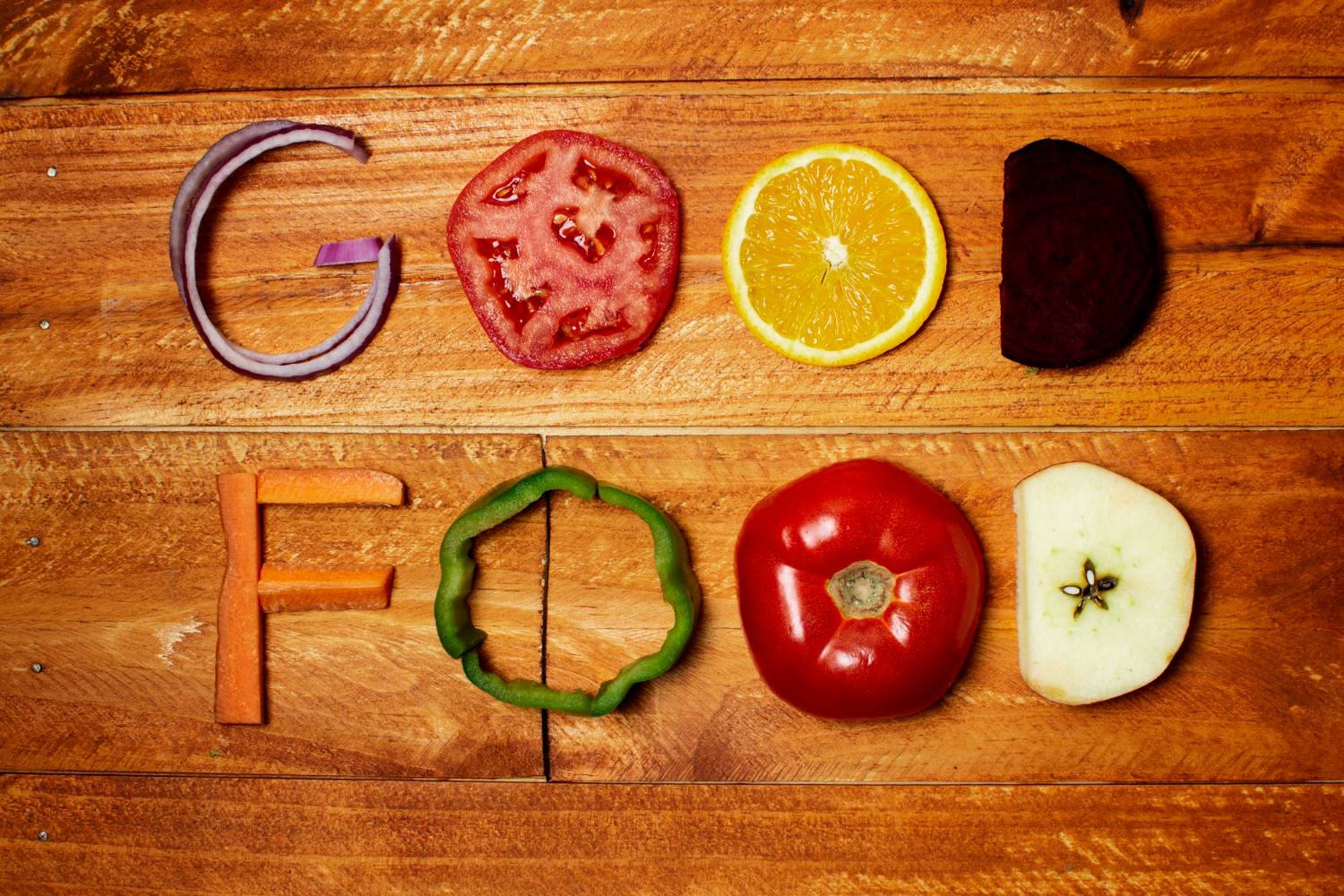
So, what should you eat to support your mental health? Focus on a whole-foods diet rich in fruits, vegetables, whole grains, lean protein, and healthy fats. These foods provide the essential vitamins, minerals, and antioxidants your brain needs to thrive. Omega-3 fatty acids, found in oily fish like salmon and tuna, are particularly important for brain health and have been shown to have mood-boosting effects.
Hydration is another crucial factor. Dehydration can lead to fatigue, irritability, and difficulty concentrating. Aim to drink plenty of water throughout the day.
While diet alone cannot cure mental health conditions, it can be a powerful tool in supporting overall well-being and managing symptoms. Making conscious food choices can positively impact your mood, energy levels, and cognitive function. It's also important to remember that everyone's nutritional needs are different. If you're struggling with your mental health, consult with a healthcare professional or registered dietitian to develop a personalized nutrition plan that meets your specific needs. By prioritizing a healthy and balanced diet, you're not just nourishing your body; you're nourishing your mind as well.
When we strive to become better than we are, everything around us becomes better too
admin
good